


This article is part of a Soft Skills series created by ITech Progress, sharing practical insights on professional development in the age of AI.
In the age of artificial intelligence, soft skills are gaining increasing importance and are becoming essential future skills. Especially in areas such as AI leadership and the soft skills of software architects, it is crucial to strengthen not only technical expertise but also communication and social competencies. These abilities enable professionals to successfully lead innovative projects and foster effective collaboration in interdisciplinary teams. In this article, we explore which soft skills will be most in demand in the future and how they can sustainably advance your career in an AI-driven environment.
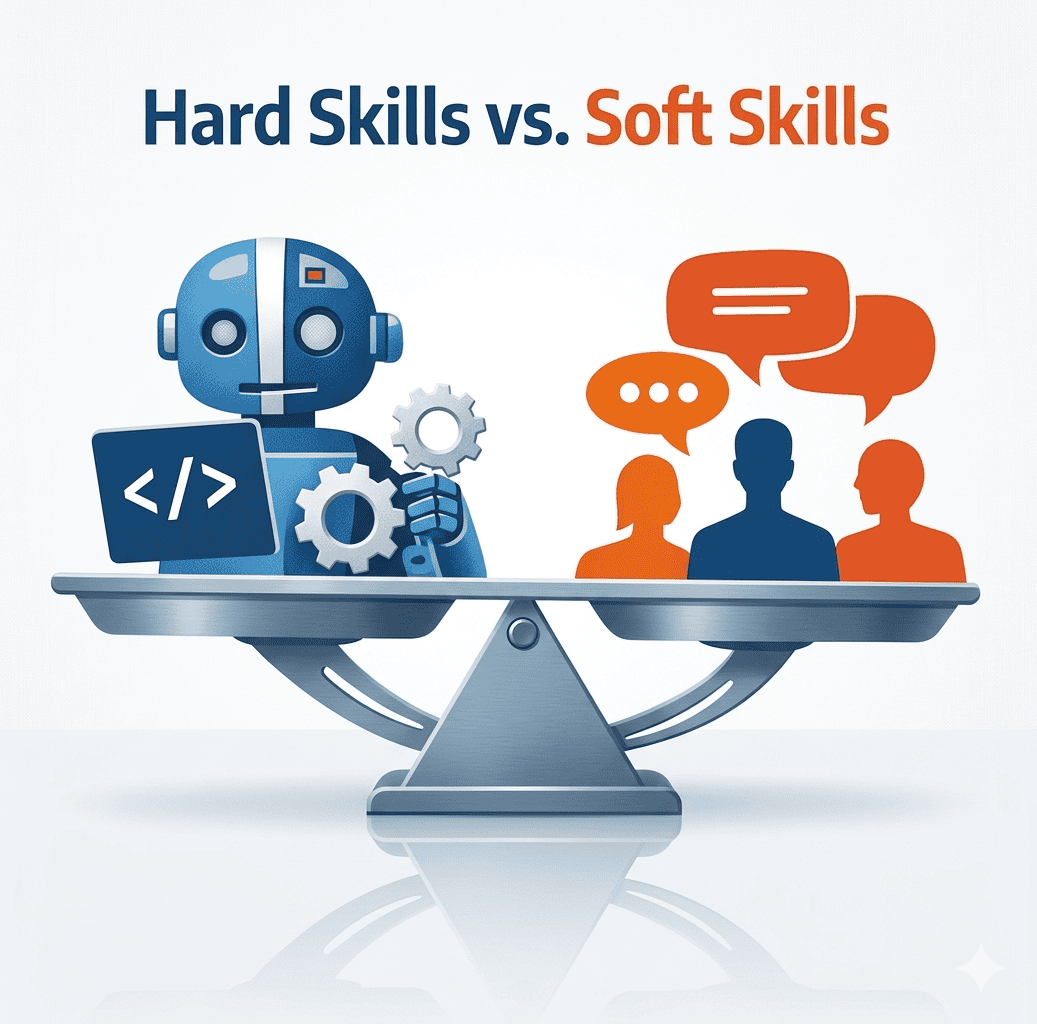
AI Is Transforming Not Only Technology – but Organizations
Technological shifts such as artificial intelligence do not only affect technical processes; they also have a profound impact on social systems within organizations. AI fundamentally changes team dynamics. Roles are being redefined as routine tasks are increasingly automated and employees focus more on creative and strategic activities. This leads to a shift in competency hierarchies, as technical knowledge and digital skills alone are no longer sufficient.
In architecture reviews, this becomes evident: the best technical solution does not automatically win – the winning solution is the one that works within the stakeholder context. At the same time, uncertainty is increasing as traditional ways of working are questioned and new expectations around flexibility and continuous learning emerge. In this context, soft skills such as communication, empathy, and conflict management become critically important. Only organizations that actively foster these social competencies can shape change and ensure effective collaboration. AI is therefore not only a technological driver but also a catalyst for changes in organizational culture and working relationships.
Emotional Intelligence Becomes a Core Competency
In a working environment shaped by technological innovation and digital transformation, emotional intelligence is becoming increasingly important. Psychological stability within teams depends largely on how well individuals can perceive and regulate their own emotions and those of others. Skills such as perspective-taking, conflict resolution, empathy, and trust-building are essential for fostering constructive collaboration.
For tech leads and architects, this means actively shaping social processes within their teams. They must recognize emotional dynamics, address tensions early, and promote an open communication culture. This creates the conditions for teams to remain resilient under pressure and to develop innovative solutions.
Emotional intelligence is therefore not just an additional qualification but a core competency for effective leadership in technology-driven organizations.
Learning Agility Outperforms Expertise
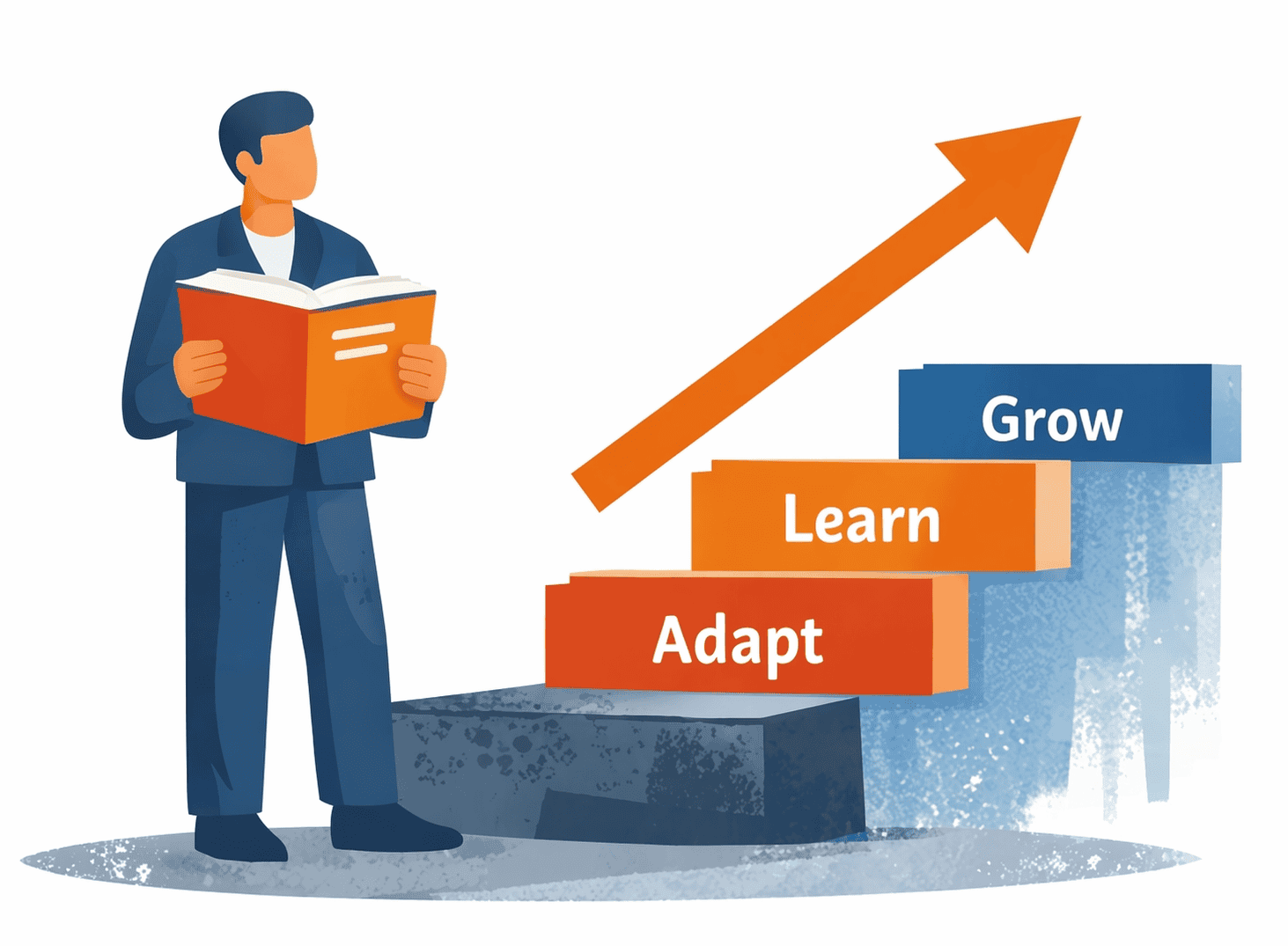
Artificial intelligence significantly accelerates innovation and change. As a result, the “half-life” of knowledge is decreasing, while the ability to continuously acquire new knowledge and adapt to change is becoming increasingly important. Learning agility is therefore emerging as a key competency.
It is reflected in the ability to quickly familiarize oneself with new topics, question assumptions, and flexibly evolve one’s thinking. For example, new technologies such as LLMs, vector databases, or agent-based systems can be rapidly understood and meaningfully integrated into existing architectures.
Organizations and professionals who prioritize learning agility are better equipped to keep pace with disruptive technologies and drive innovation successfully. The principle is no longer “those who know the most win,” but “those who adapt best remain competitive.” In a world where AI determines the speed of change, learning agility becomes a critical success factor. It enables us not only to keep up but to actively shape the future.
Collaboration with AI Becomes the New Normal
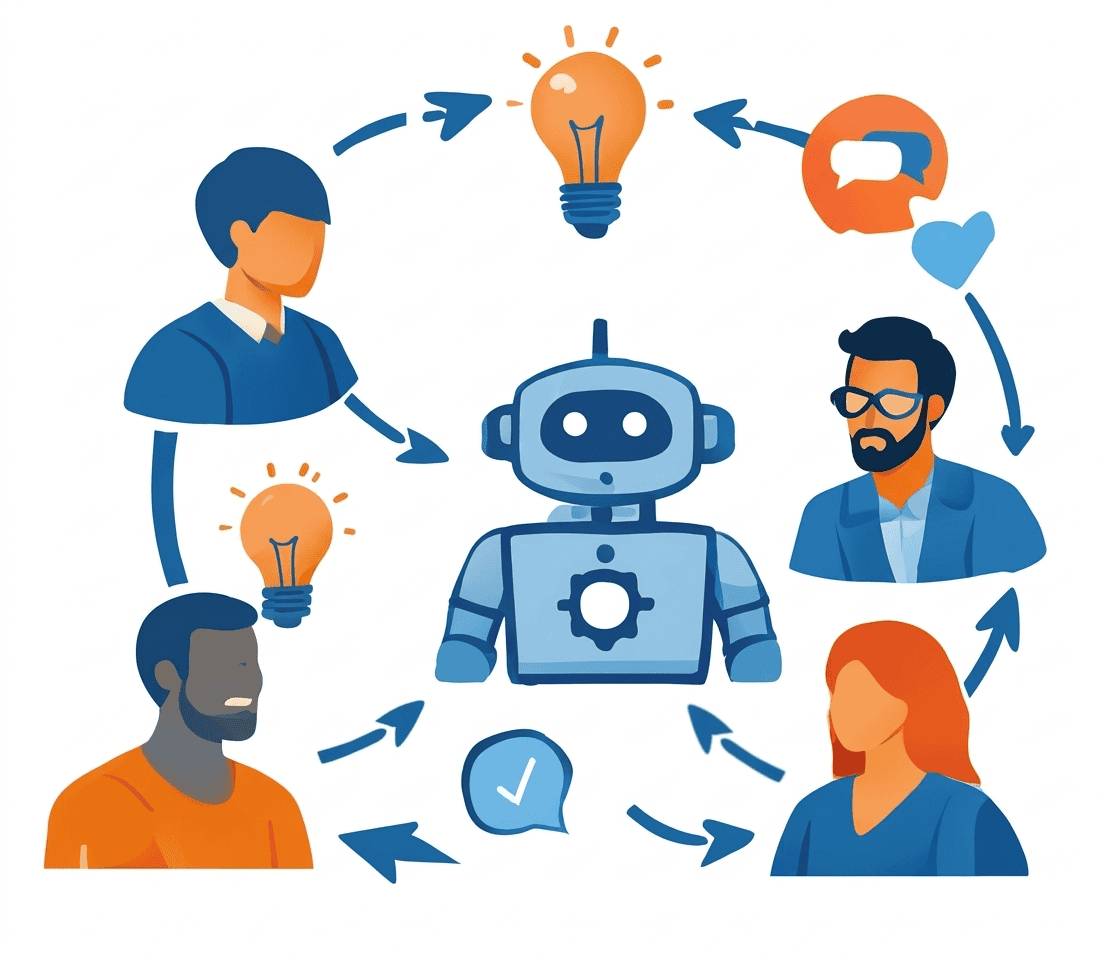
Collaboration with artificial intelligence is evolving far beyond the use of tools. AI is increasingly becoming a source of ideas, a sparring partner, an analytical instrument, and even a simulation environment.
This shift fundamentally changes how we work. The key competency now lies in hybrid collaboration between humans and AI – the ability to combine their respective strengths effectively. This requires not only technical understanding but also the design of workflows in which AI-generated ideas meet human experience and judgment. This creates new innovation potential and more efficient decision-making processes.
At the same time, excessive and prolonged use of AI-based tools can have negative effects. Taking intentional breaks from AI usage helps architects and developers maintain creativity and cognitive performance in the long term.
Collaboration with AI is becoming an integral part of everyday work. This hybrid mode of collaboration strengthens organizations’ future readiness and opens up new opportunities for more productive and flexible work.
The Soft Skill Profile of the Future
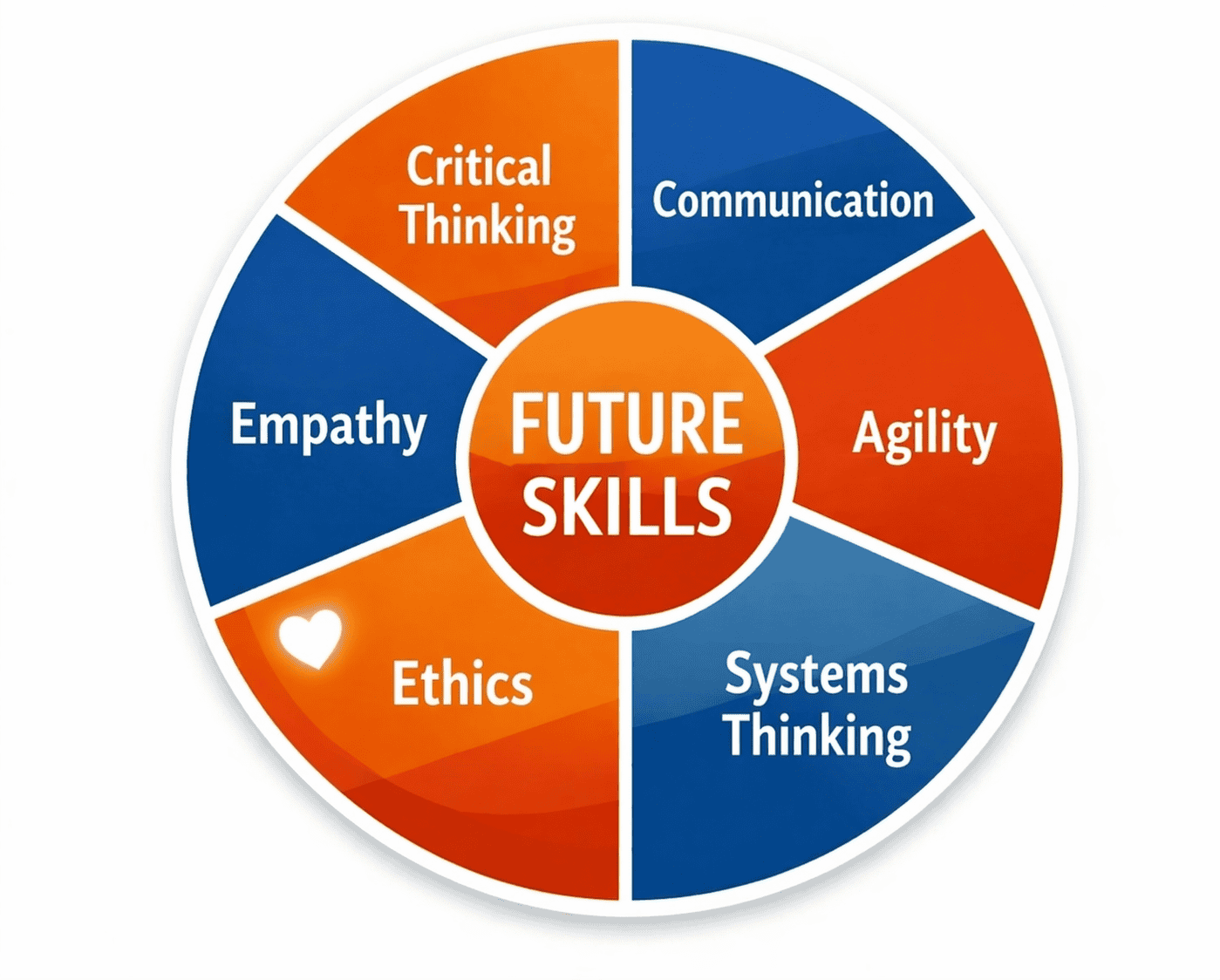
In times of rapid technological change, those soft skills that help manage complex and dynamic situations are becoming particularly important. Critical thinking enables professionals not only to absorb information but also to question it and develop creative solutions. Clear communication ensures that messages are conveyed precisely and effectively, which is essential in interconnected work environments. Learning agility enables individuals to adapt quickly and continuously evolve.
In complex and dynamic environments, emotional intelligence provides a strong foundation for trustful and effective collaboration. Systems thinking helps to understand interdependencies holistically and make decisions within a broader context. The ability to make sound decisions under uncertainty becomes a competitive advantage in a volatile world. Finally, ethical judgment plays a crucial role in acting responsibly and sustainably.
In contrast, pure information reproduction, standard analyses, and routine documentation are losing relevance, as they no longer create significant differentiation. Future work environments therefore require a soft skill profile in which flexibility, reflection, and social competence are key prerequisites for long-term success.
Beyond technical knowledge, responsibility, judgment, and ethical reflection are becoming increasingly important. Even the most advanced AI systems can make serious errors that are not immediately obvious. This highlights that future-ready action – especially in technical professions – goes far beyond pure expertise.
Stay tuned and explore our upcoming blog posts to discover which personal competencies are most in demand in the age of AI and how you can develop them effectively.
Sources
• An Empirical Study on Decision-Making Aspects in Responsible Software Engineering for AI
https://arxiv.org/html/2501.15691v1
• Navigating the Unknown: How to Make Architecture Decisions Under Uncertainty
https://scalewithchintan.com/blog/how-to-make-architecture-decisions-under-uncertainty
• Uncertainty, Risk, and Information Value in Software Requirements and Architecture
https://earlbarr.com/publications/reqrisk.pdf
• AI Accountability: How Leaders Can Help Guide Software Development Decisions
https://www.forbes.com/councils/forbesbusinesscouncil/2026/02/27/ai-accountability-how-leaders-can-help-guide-software-development-decisions/
• The Value of Critical Thinking Skills in AI-Enabled Organizations
https://www.inteqgroup.com/blog/the-value-of-critical-thinking-skills-in-ai-enabled-organizations
This is a translation of ITech Progress’ blog post “Warum Soft Skills im KI-Zeitalter an Bedeutung gewinnen”. Here you can find the original blog post in German.