The iSAQB CPSA® Foundation Level: Building a Strong Foundation in Software Architecture
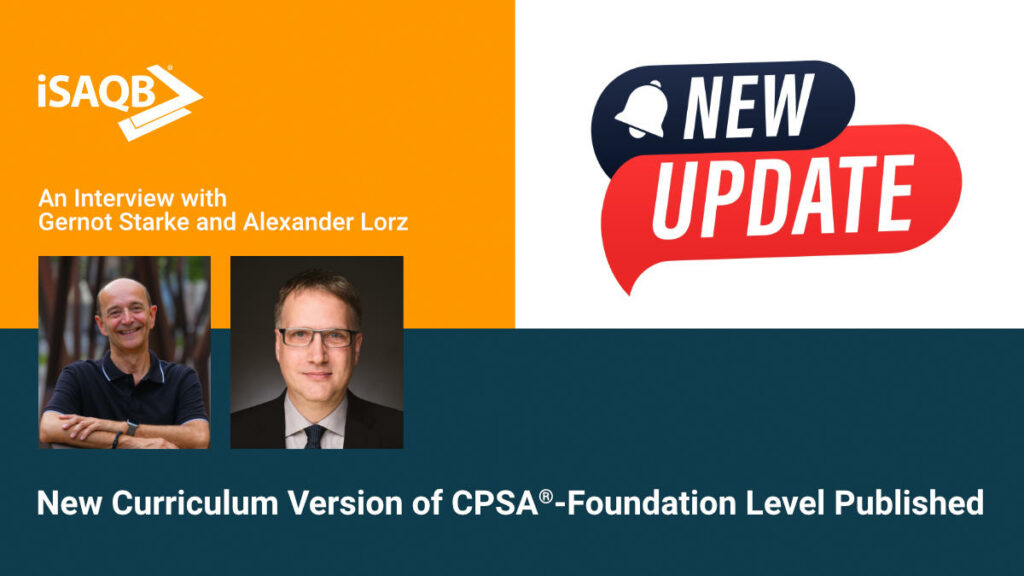
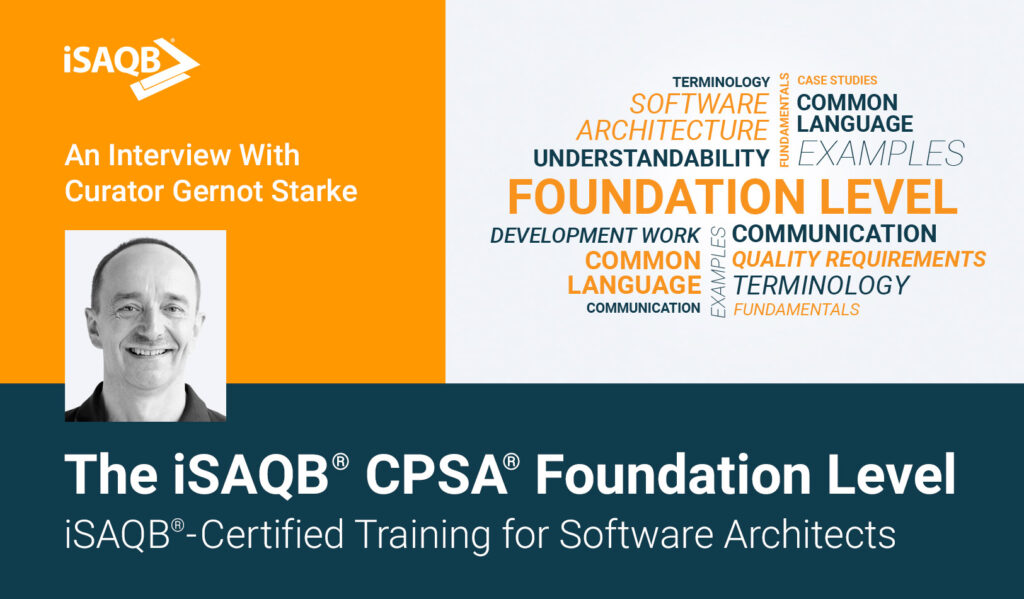
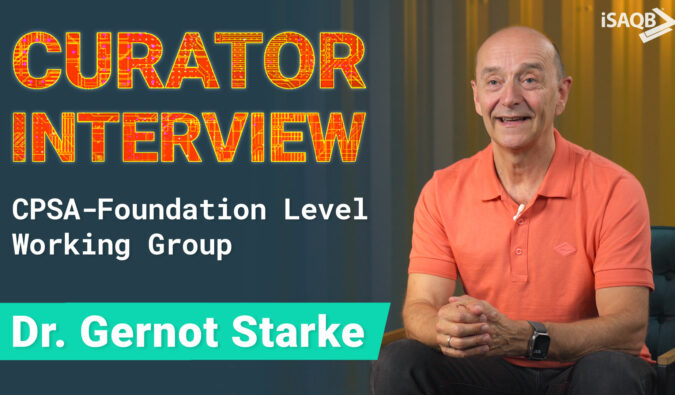
Video Interview with Gernot Starke, iSAQB Founding Member and Foundation Level Working Group Lead
In this interview, Dr. Gernot Starke – founding member of iSAQB and lead of the CPSA-Foundation Level Working Group – explains the philosophy, structure, and real-world value of the iSAQB CPSA-Foundation Level training. He highlights how the curriculum evolves with practical needs, why iSAQB’s community-driven and technology-neutral approach matters, and how the training equips participants to handle complexity, stakeholder communication, and day-to-day architectural challenges.
Gernot also emphasizes that strong communication and decision-making skills are just as important as technical knowledge. The Foundation Level helps participants bridge the gap between academic learning and real-world practice, enabling them to confidently present technical solutions to management and build a solid basis for their career in software architecture.
Key Takeaways
- Continuously updated curriculum – The CPSA-Foundation Level evolves every two years to reflect real-world architectural challenges.
- Open and community-driven – The curriculum is publicly developed on GitHub and shaped by experts from diverse domains.
- Technology-neutral and vendor-independent – iSAQB enables unbiased decision-making and broad architectural thinking.
- Strong focus on communication – Participants learn how to explain and justify architectural decisions to business and management stakeholders.
- Practice-oriented learning – The training combines theory, methodology, and hands-on exercises to prepare architects for real-world complexity.
- A solid professional foundation – Ideal for developers and IT professionals who want to strengthen their architectural mindset and grow into greater responsibility.
This interview is a must-watch for anyone looking to build a solid foundation in software architecture and understand how independent, practice-oriented education can strengthen both technical expertise and communication skills.
Share this article:
Related Posts