Soft Skills: A Foundation for Software Architects in a Complex World
An Article by Kim Nena Duggen and Cosima Laube
The landscape of software development is evolving faster than ever. Modern architectures such as microservices, distributed systems, and cloud infrastructures offer tremendous benefits – but they also come with a significant increase in complexity. Add to this a constant stream of new technologies that require continuous learning, ongoing pressure from technical debt, and the simultaneous need to deliver short-term solutions.
Alongside these technological and methodological challenges, there is one area that is often underestimated but crucial for the success of software architects and developers alike: communication and collaboration.

Figure 1: The Software Architect in a Field of Tension (illustration by the authors, generated with ChatGPT)
Why Soft Skills Are Essential in Software Development
Based on many years of working with software architects and developers, the same core challenges emerge time and again – challenges that cannot be solved by technical expertise alone. Instead, they require “soft” skills to address hard problems.
Communication and teamwork:
Software development is never a solo discipline. It requires close collaboration with fellow developers, designers, product managers, and stakeholders. Misunderstandings or conflicting interests are often the root cause of costly mistakes and can jeopardize entire projects. Clear and precise communication, active listening, and adapting to different communication needs are essential.
Dealing with requirements:
Requirements are often unclear, change frequently, or even contradict each other. This makes planning and implementation significantly more difficult. Identifying the real needs of different stakeholders, asking critical questions, and navigating ambiguity are key skills.
Balancing time and feature pressure vs. technical debt:
Striking the balance between delivering new features – usually under time pressure – and reducing technical debt is often an ongoing challenge. Negotiation skills, persuasiveness, and the ability to present options, set priorities, and stand by them are indispensable.
Managing complexity and fostering readiness for change:
The immense complexity of modern systems requires not only technical understanding but also the ability to recognize and communicate the big picture – and to motivate others toward continuous learning and necessary change.
Lateral leadership:
Development teams are often more committed to solutions they helped design themselves. Conducting architecture work collaboratively, identifying the best solution, and building consensus can be challenging – especially when architects work without hierarchical authority and aim to foster genuine commitment.
Conflict management:
Where people work together, conflicts inevitably arise – due to differing interests, values, or systemic causes. The ability to recognize, analyze, and address conflicts constructively is a critical success factor. This often includes clarifying roles and responsibilities. Clear role boundaries can significantly reduce friction and make delegation easier.
Soft Skills in the Continuing Education of Software Architects
Purely technical skills are no longer sufficient to meet the complex demands of everyday work. Software architecture is about far more than writing code or designing systems. Acting effectively in teams, guiding projects, managing stakeholders, and resolving conflicts are becoming increasingly important. Soft skills are indispensable when tackling hard challenges in collaboration.
Continuous learning and development in soft skills are essential for software architects to expand their toolkit beyond technical methods and to develop structured approaches to topics that are often dismissed as being “too soft.”
The broad field of soft skills can be structured as follows:
Methodological competencies:
These include communication fundamentals, conducting one-on-one and group discussions, facilitation and visualization techniques, as well as analyzing, resolving, and preventing conflicts. This methodological expansion of the toolkit enables more effective action in day-to-day project work.
Social competencies:
Practicing, reflecting on, and working through challenges from one’s own professional context helps transfer learning into practice. In the safe setting of well-facilitated peer or training groups, social skills can be further developed and personal effectiveness strengthened.
Personal development:
This involves reflecting on which “battles” are worth fighting and how to enhance the effectiveness of one’s role. Embedded reflection moments support tailored development aligned with individual needs and provide practical tools for sustainable personal growth in the area of soft skills.
Conclusion
The ability to deal effectively with complexity, communication, team dynamics, and conflict is just as important for software architects today as mastering technical tools, frameworks, and architectures. Investing in these skills is not only an investment in one’s own career but also a decisive contribution to the success of software projects.
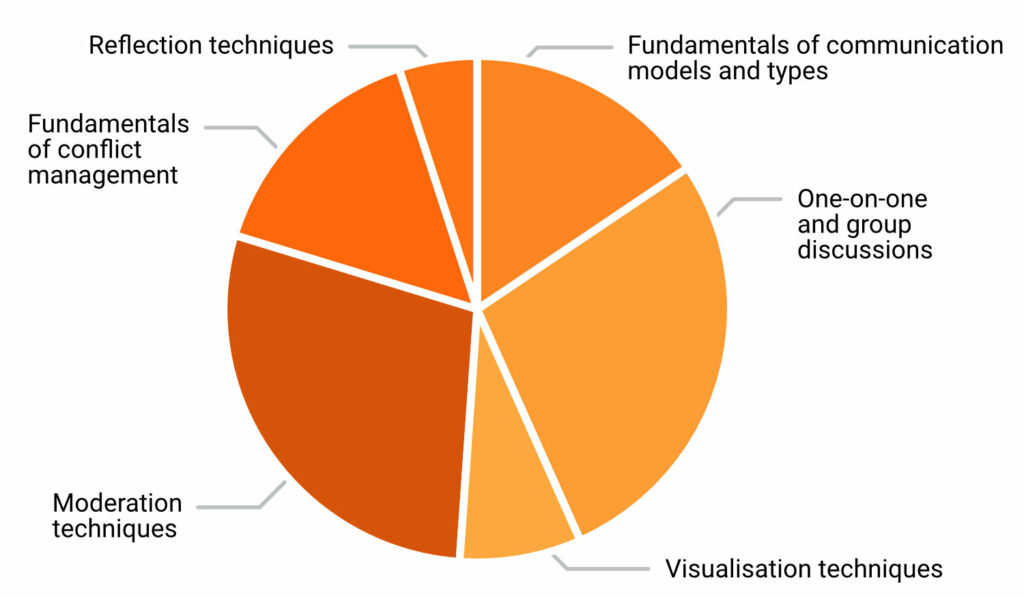
Figure 2: Contents of the module “Soft Skills for Architects”
About the Authors
Kim Nena Duggen
Kim is an organizational architect specializing in New Work, self-organization, and IT strategy. She prefers working with people who want to actively shape their organizations rather than rely on standard solutions. Depending on the situation, she moves fluidly between consulting, training, and coaching. Within iSAQB, she is involved as an Advanced Working Group member, curator of the SOFT module, and Vice Chairwoman of the Executive Board.
Cosima Laube
As a coach and sociotechnical organizational consultant, Cosima supports individuals and teams primarily during phases of change. Her solid background as a software developer, business analyst, and lead developer – combined with a BSc in Psychology – also informs her work as a soft skills trainer.
Share this article:
Related Posts